
Fame and Fragility: The Cost of Addiction in the Music Industry

Fame often appears glamorous from the outside, but behind the curtain, it can come with heavy personal costs. In the music industry, addiction is one of the most painful struggles that countless artists have faced. The pressure to perform, the demands of relentless touring, and the spotlight of constant public attention can push even the most talented musicians toward destructive coping mechanisms. Understanding the fragile balance between success and well-being is essential not only for appreciating the human side of music legends but also for inspiring hope in anyone battling addiction today.

The Pressure of Stardom

The music industry thrives on talent, creativity, and performance, but it also creates intense pressure. Musicians often live under constant scrutiny, where a single misstep can make headlines. The cycle of creating, performing, and traveling leaves little time for rest or reflection. To cope with exhaustion, anxiety, or emotional pain, many turn to substances as a form of escape. Unfortunately, what begins as temporary relief can quickly spiral into dependency.

Why Addiction Finds a Home in the Music World

Addiction is not just about access to substances. It is about the environment, culture, and mental health struggles that surround an individual. For musicians, the combination of easy availability, late-night schedules, and a culture that often glorifies excess creates a perfect storm. The expectation to always be “on” leaves little room for vulnerability, making it harder for artists to seek help openly.

The Overlap of Mental Health and Addiction

Mental health plays a central role in the struggle. Depression, anxiety, and trauma are common challenges among artists, and without proper support, they often lead to self-medication. Substance use may dull the symptoms temporarily but intensifies the cycle of despair. This is why addressing both addiction and mental health together is so critical. Integrated treatment ensures that individuals not only overcome dependence but also build resilience for long-term recovery.

Paths Toward Healing

Healing from addiction is not a one-size-fits-all journey. It requires compassion, structure, and personalized care. Modern recovery programs recognize that treating only the physical aspect of addiction is not enough. True healing involves addressing emotional, mental, and even spiritual needs.

Inpatient and Outpatient Care

Inpatient programs provide a safe and supportive environment where individuals can step away from daily pressures and focus fully on recovery. Outpatient care offers flexibility, allowing people to remain engaged with their families and careers while receiving consistent treatment. Both options are vital and can be tailored to meet individual circumstances.

Holistic and Faith-Based Approaches

Holistic recovery focuses on the whole person. Nutrition, mindfulness, exercise, and creative therapies such as music can all play a role in healing. For many, faith-based support provides strength, guidance, and a sense of purpose. Combining clinical expertise with holistic and spiritual practices creates a well-rounded path to recovery that addresses the unique needs of each person.

Learning from the Stories of Music Icons

The lives of legendary musicians remind us that talent and fame do not make anyone immune to addiction. Yet they also show us the power of recovery. While some were lost too soon, others found strength in treatment, community, and holistic care. Their stories serve as both cautionary tales and beacons of hope for anyone facing similar struggles.

Choosing Healing Over Silence

The fragility of fame underscores an important truth: addiction is a human challenge, not a sign of weakness. With the right support, recovery is possible. Compassionate, individualized treatment that includes mental health care, holistic healing, and faith-based guidance can help people reclaim their lives and futures.

If you or someone you love is struggling with addiction, do not wait for the spotlight to fade before seeking help. Reach out today and take the first step toward lasting healing and renewal.
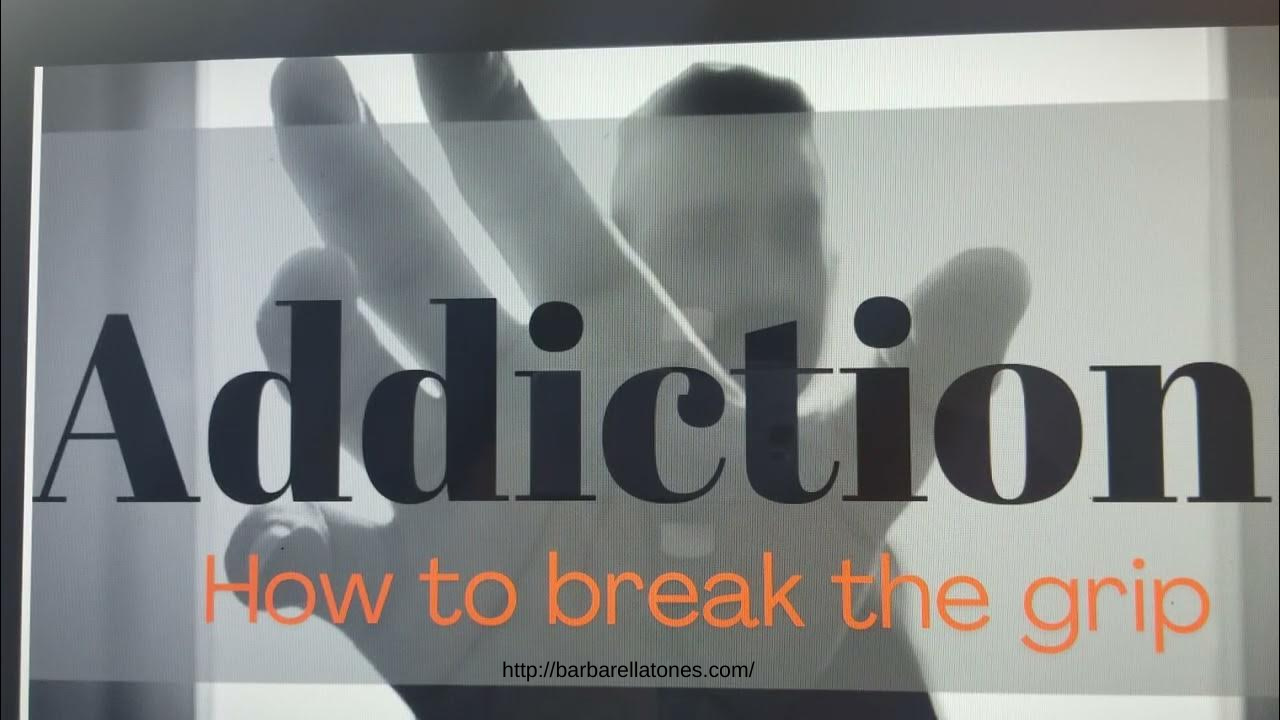
Lost Legends: Music Icons Who Couldn’t Escape the Grip of Addiction

The world celebrates music legends for their talent, creativity, and influence. Yet behind the hits and the fame, many artists have faced private battles with addiction that ultimately claimed their lives. Substance abuse in the music industry is a persistent and heartbreaking issue, often fueled by the pressures of stardom, constant touring, and public scrutiny. By examining the lives of lost legends, we can gain insight into the challenges of addiction and the critical importance of compassionate, individualized treatment.

The Hidden Costs of Fame

Fame brings not only admiration but also enormous pressure. Music icons often work long hours in high-stress environments, leaving little time for rest or mental health care. The need to consistently perform, stay relevant, and meet audience expectations can exacerbate anxiety, depression, and feelings of isolation. For many, drugs or alcohol become a temporary solution, providing relief from the relentless demands of celebrity life. Over time, these coping mechanisms can turn into life-threatening dependencies.

Why Music Legends Are Vulnerable

The music industry is uniquely susceptible to addiction. Touring schedules expose artists to environments where substances are readily available. Afterparties and backstage events often normalize excessive drinking and drug use. In addition, the cultural perception of rock and pop stars as larger-than-life figures who embrace risk-taking can make it difficult for artists to seek help without fear of judgment or career consequences.

Mental Health and Addiction

Addiction rarely exists without an underlying mental health component. Many artists struggle with depression, anxiety, or unresolved trauma. Substances may temporarily ease these symptoms but ultimately worsen the cycle of emotional distress. Treating both mental health and addiction simultaneously is essential for sustainable recovery. Holistic and individualized approaches address these interconnected challenges, offering artists a pathway to lasting wellness.

Lessons from Lost Legends

The stories of artists like Whitney Houston, Amy Winehouse, and Mac Miller highlight the devastating impact of untreated addiction. Their struggles remind us that talent and fame do not protect against the grip of substance abuse. Each story is a call to action for greater awareness, compassion, and support within the music industry and society as a whole.

The Importance of Early Intervention

Early intervention can make the difference between recovery and tragedy. Addiction recovery programs that combine inpatient and outpatient care, mental health treatment, and holistic therapies provide a structured, supportive environment where artists can address both physical dependence and emotional triggers. Faith-based support can also strengthen resilience for those who draw on spirituality in their healing journey.

Recovery is Possible

Although some music legends were lost to addiction, many artists have successfully reclaimed their lives through comprehensive treatment. Personalized care that integrates medical treatment, therapy, and creative expression empowers clients to rebuild their lives, manage stress, and sustain sobriety. Recovery is not a one-size-fits-all process, and treatment must be tailored to meet each individual’s unique needs.

Hope Beyond the Stage

Addiction can affect anyone, regardless of fame or success. The loss of music icons underscores the importance of compassionate, individualized care and early intervention. For those struggling with substance abuse, hope is available through professional treatment that addresses the whole person—body, mind, and spirit.

If you or someone you love is struggling with addiction, reach out today. Support, guidance, and recovery are within reach, offering the chance to reclaim life, health, and purpose beyond the stage.

Echoes of Addiction: How Fame Fuels the Dark Side of Music Success

The world often sees fame as the ultimate achievement, filled with applause, success, and financial freedom. Yet behind the curtain of music success lies a reality that is rarely acknowledged: addiction. For many musicians, the journey to stardom is shadowed by pressure, loneliness, and temptation. Substance abuse becomes both an escape and a trap, leaving behind echoes of pain that reverberate far beyond the stage. By exploring the link between fame and addiction, we can better understand the unique challenges artists face and the importance of compassionate recovery solutions.

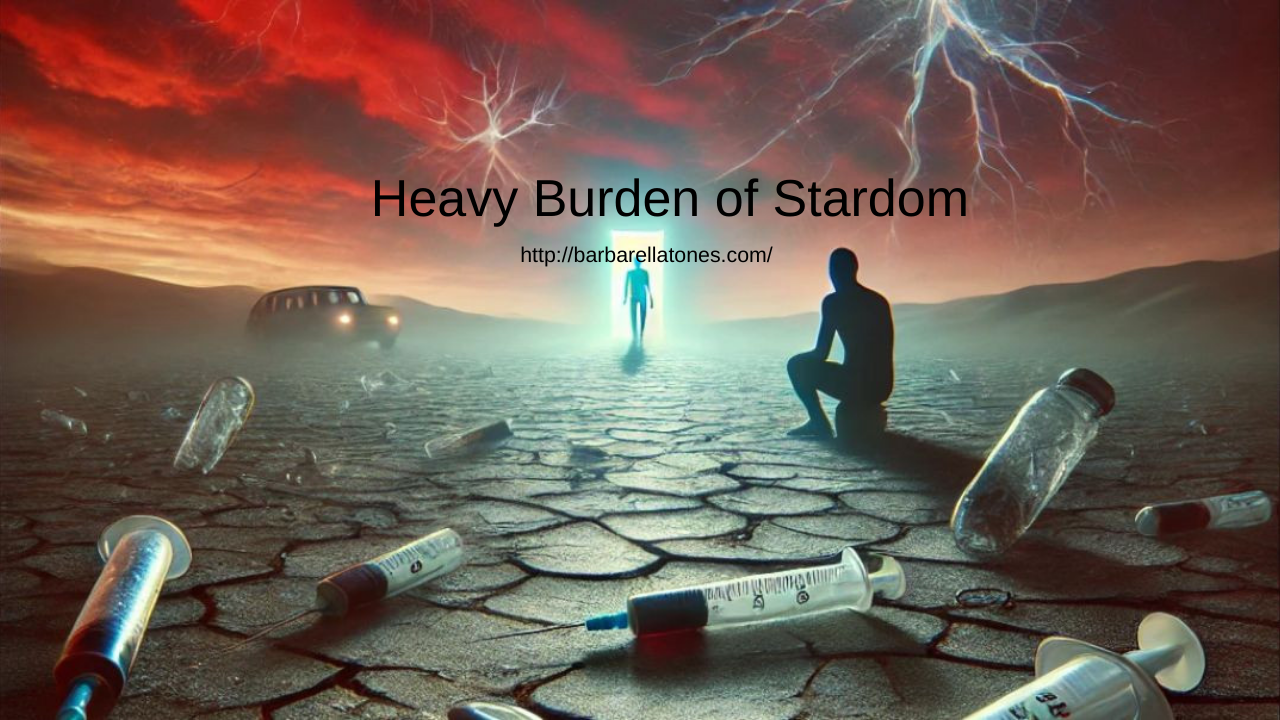
The Heavy Burden of Stardom

Becoming a music star may look like a dream come true, but the reality is often far more complex. Long tours, sleepless nights, and constant scrutiny create conditions that put immense strain on both mental and physical health. Artists are expected to remain creative, available, and perfect under the public eye. For many, drugs or alcohol are seen as a way to manage the exhaustion or to cope with anxiety and depression. What starts as a coping mechanism often develops into dependency.

Why Fame Fuels Addiction

The music industry provides a unique environment that makes addiction more likely. Access to substances is widespread at parties, backstage events, and on tour buses. The culture surrounding entertainment often glamorizes excess, making harmful behavior appear normal. Combined with the personal stress of maintaining a career and identity in the public eye, these conditions create a dangerous cycle where addiction thrives.

The Role of Mental Health

Addiction rarely exists in isolation. Depression, anxiety, and unresolved trauma are common struggles for many musicians. When left untreated, these conditions often worsen with fame. Substance use may temporarily dull the pain but ultimately intensifies the cycle of distress. Addressing mental health alongside addiction is crucial for sustainable recovery, which is why integrated treatment approaches are so important.

Pathways to Healing

Healing from addiction is not just about removing substances. It is about addressing the underlying causes and rebuilding balance in every aspect of life. Recovery centers that offer holistic, faith-based, and individualized care provide a comprehensive approach to healing. By combining evidence-based therapy with spiritual and creative practices, individuals can reconnect with themselves and rediscover purpose beyond addiction.

Inpatient and Outpatient Options

Inpatient treatment offers a safe and structured environment where individuals can fully focus on recovery. Outpatient programs provide flexibility, allowing clients to continue with their daily lives while receiving consistent support. Both approaches can be tailored to meet the unique needs of each person, making treatment more effective and sustainable.

Holistic and Personalized Care

Holistic treatment goes beyond detox. It incorporates practices such as mindfulness, exercise, nutrition, and creative therapy. For musicians, music itself often becomes part of the healing process, transforming pain into art. Faith-based care can also provide strength and hope, helping clients draw on their beliefs to guide them through recovery. When treatment is personalized, it empowers individuals to reclaim control of their lives.

Finding Hope Beyond the Spotlight

Fame may amplify the struggles of addiction, but it does not define the outcome. Many musicians have shown that recovery is possible with the right support and care. Addiction should never be a silent battle fought in the shadows of success. With compassionate, individualized treatment, there is a way forward toward healing, balance, and lasting freedom.

If you or someone you love is struggling with addiction, now is the time to seek help. Reach out today and take the first step toward recovery. A brighter, healthier future is within reach.