
Echoes of Fame: How the Music Industry Drives Addiction Among Artists

The music industry is often celebrated for its glamour, creativity, and influence, but behind the fame and applause lies a hidden struggle. Many artists face intense pressure, long tours, and public scrutiny, all of which can contribute to substance abuse. Addiction in the music world is not simply a matter of personal choice—it is a complex interplay of mental health, environmental factors, and industry culture. Understanding these dynamics is essential for supporting recovery and promoting long-term wellness.

The Hidden Pressures of Stardom

Life as a music star may seem exciting, but the reality is often far more challenging. Musicians juggle demanding schedules, high expectations, and constant public attention. The pressure to maintain peak performance can lead to emotional exhaustion, anxiety, and depression. For some, drugs or alcohol provide temporary relief, masking the stress of fame. What begins as a coping mechanism can quickly escalate into dependency, affecting both personal well-being and professional success.

Mental Health and Addiction

Addiction rarely exists in isolation. Many artists who struggle with substance abuse also face mental health challenges such as anxiety, depression, or trauma. These conditions are often exacerbated by the demands of touring, recording, and public life. Effective treatment must address both mental health and addiction simultaneously. Holistic programs that integrate therapy, counseling, and support networks offer the best chance for sustainable recovery.

How the Music Industry Environment Contributes to Addiction

The structure and culture of the music industry can unintentionally foster addiction. Long hours on tour expose artists to environments where substances are readily available. After-show events and social gatherings often normalize heavy drinking or drug use. Furthermore, the industry historically glorifies risk-taking, which can make seeking help feel like a sign of weakness. Combined with the emotional vulnerability that many creative individuals experience, this environment increases the likelihood of addiction.

Coping Mechanisms and Creative Pressure

Many musicians turn to substances to cope with creative pressure. The expectation to constantly produce hits can be overwhelming, and perfectionism can intensify stress. Substance use may temporarily spark inspiration or provide relief from self-doubt, but it often perpetuates a harmful cycle. Recognizing unhealthy coping strategies early is crucial for preventing long-term consequences.

Paths to Recovery

Recovery is possible when individuals receive compassionate, professional care. Treatment must address the whole person—mind, body, and spirit. Inpatient programs provide a structured environment where artists can focus fully on healing, while outpatient programs offer flexibility for those transitioning back into daily life. Holistic approaches, including mindfulness, nutrition, exercise, and creative therapy, help rebuild balance and resilience. Faith-based support can also provide spiritual guidance and a sense of purpose, which is particularly meaningful for many recovering artists.

Personalized Care for Lasting Change

No two recovery journeys are the same. Personalized care plans allow treatment to address unique triggers, mental health needs, and life circumstances. This individualized approach empowers artists to regain control over their lives and achieve long-term sobriety while nurturing their creativity and emotional well-being.

Hope Beyond the Spotlight

The music industry can amplify both talent and vulnerability. Addiction is a serious challenge for many artists, but it does not have to be a permanent outcome. With professional, holistic, and individualized care, recovery is possible. Musicians and individuals struggling with addiction can reclaim their health, creativity, and purpose.

If you or someone you love is facing substance abuse, reaching out for help is the first step toward lasting change. Compassionate support and evidence-based treatment are available to guide you toward a healthier, more balanced life beyond the spotlight.
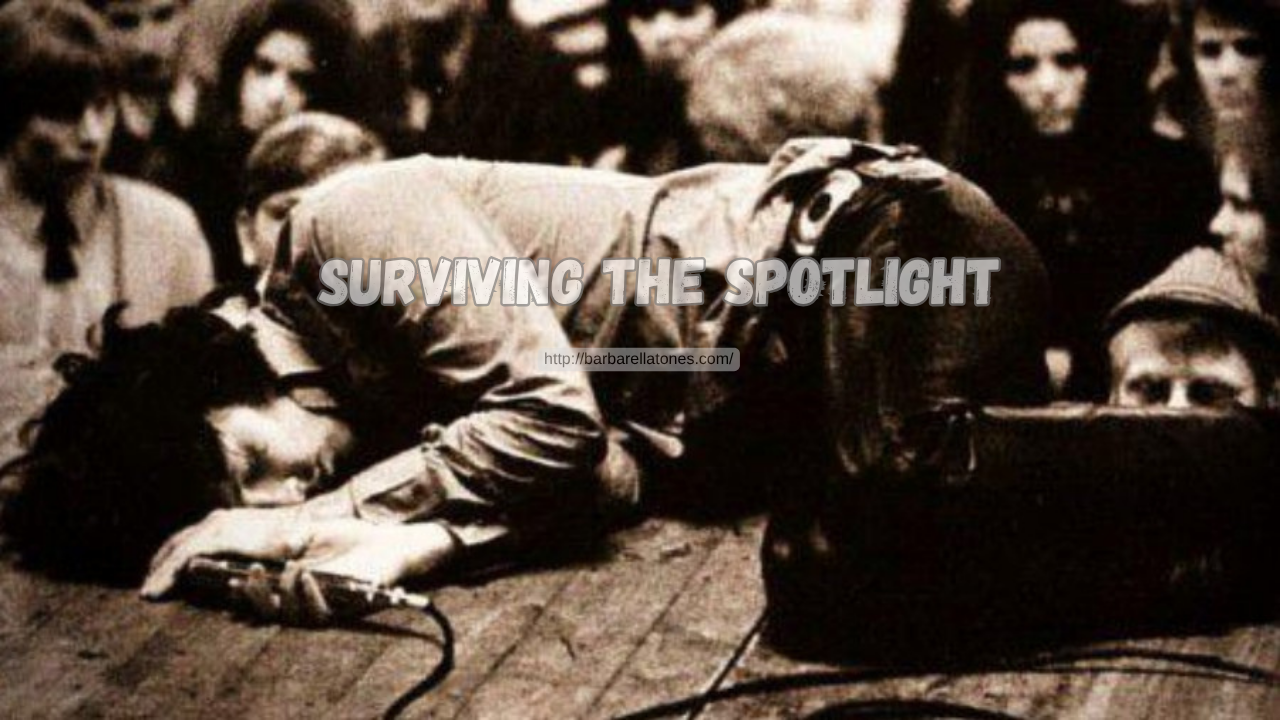

Surviving the Spotlight: Music Stars Who Battled Addiction and Lived to Tell the Tale

Fame can be dazzling, but behind the stage lights and red carpets, many music stars face private struggles that few ever see. The music industry has long been intertwined with addiction, from the pressures of constant touring to the emotional toll of public life. Yet, amid the darkness, many artists have found the courage to seek help, rebuild their lives, and share their stories of recovery. Their journeys serve as reminders that healing is possible, no matter how far addiction has taken you.

The Pressure of Stardom and the Path to Addiction

Life in the spotlight often magnifies both success and pain. Musicians live under intense scrutiny, expected to perform perfectly night after night while navigating fame, isolation, and exhaustion. The high-paced lifestyle, combined with emotional vulnerability, can make substances seem like an easy escape. Drugs and alcohol may temporarily quiet anxiety or boost confidence, but they quickly become a trap that steals creativity, health, and peace of mind.

The Hidden Toll of Mental Health

Addiction and mental health are deeply connected. Many artists turn to substances to cope with depression, trauma, or anxiety. These struggles can be intensified by fame, where opening up about mental health may be seen as weakness. Without proper care, emotional pain often spirals into addiction. Recognizing this link is vital to understanding why recovery must address both mental and emotional well-being.

Stories of Strength and Survival

Some of the most beloved music legends have faced the devastating impact of addiction—and come out stronger. Artists like Elton John, Eminem, and Demi Lovato have spoken openly about their battles with substance abuse. Each story underscores the importance of seeking professional help and embracing the recovery process. Through treatment, self-awareness, and support, they transformed their pain into purpose and used their platforms to inspire others.

The Role of Professional Treatment

Recovery does not happen by chance. It requires expert guidance, compassionate support, and a plan that fits the individual’s needs. Inpatient treatment provides a safe, structured environment where individuals can step away from triggers and focus entirely on healing. Outpatient programs offer flexibility for those who wish to continue daily responsibilities while receiving ongoing care. Both can be tailored to address addiction and co-occurring mental health conditions through therapy, counseling, and holistic practices.

Healing Through a Holistic and Faith-Based Approach

Addiction recovery is not just about stopping substance use. It is about restoring balance, identity, and hope. Holistic care focuses on treating the entire person—mind, body, and spirit. Integrating practices such as mindfulness, exercise, nutrition, and creative expression allows individuals to reconnect with themselves and build sustainable wellness. Faith-based recovery adds another layer of strength, providing spiritual grounding and a sense of purpose that can guide individuals through even the toughest moments of healing.

The Power of Individualized Care

Every person’s journey through addiction is unique. That is why personalized treatment is so important. A one-size-fits-all approach rarely works. Individualized care plans consider each person’s specific experiences, triggers, and goals, ensuring that recovery is meaningful and lasting. When people are met with compassion and understanding, they are more likely to engage deeply in their healing process.

Finding Hope Beyond the Spotlight

The stories of music stars who have survived addiction remind us that recovery is possible for anyone. No matter how chaotic life may feel, there is always a path back to clarity, peace, and purpose. Seeking help is not a sign of weakness—it is an act of courage.

If you or someone you love is struggling with addiction, now is the time to take the first step. With compassionate, holistic, and individualized care, you can rediscover your strength, heal from within, and create a new rhythm for your life—one built on balance, hope, and renewal.

Melodies of Struggle: How Addiction Shaped the Lives of Music Celebrities

Behind the lights, awards, and standing ovations, many music celebrities have faced deep personal battles that fame could not fix. Addiction has touched the lives of countless musicians, shaping their art, influencing their lyrics, and, for some, leading to heartbreaking outcomes. Yet, their stories also highlight the resilience of the human spirit and the power of recovery. Understanding how addiction affects even the most talented individuals reminds us that no one is immune to struggle—and that healing is always possible.

The Hidden Struggles Behind the Spotlight

The music industry often paints an image of freedom and creativity. But for many artists, fame comes with immense emotional pressure. Endless tours, sleepless nights, and the expectation to constantly produce hits can lead to exhaustion and loneliness. For some, drugs or alcohol become a way to cope with anxiety, stress, or trauma. Unfortunately, what begins as a method of relief can quickly turn into dependency, disrupting both personal lives and careers.

When Pain Turns Into Art

Addiction often finds its way into the creative process. Many artists have used music to express their pain and confusion, turning personal battles into raw, emotional art. Songs about heartbreak, struggle, and redemption often come from real experiences of addiction and recovery. While these works connect deeply with fans, they also serve as a reflection of the artist’s ongoing battle between creativity and self-destruction.

The Cycle of Self-Medication

For musicians dealing with depression, anxiety, or trauma, substance use can appear to dull the pain temporarily. However, it often amplifies the very emotions they are trying to escape. This cycle of self-medication can lead to isolation, damaged relationships, and health issues. Breaking that cycle requires more than willpower—it requires professional support and an environment that fosters healing on every level.

The Role of Mental Health in Recovery

Addiction and mental health are deeply connected. Many music icons who struggled with addiction also battled mental health conditions such as bipolar disorder or post-traumatic stress. Effective treatment must address both challenges simultaneously. Programs that integrate mental health therapy, addiction counseling, and emotional wellness practices help individuals rebuild balance in their lives.

Holistic and Faith-Based Healing

True recovery goes beyond detoxification. It involves reconnecting with one’s sense of purpose and identity. Holistic treatment approaches focus on healing the whole person—body, mind, and spirit. Incorporating nutrition, mindfulness, and creative therapies like music and art can help individuals rediscover joy and stability. For those who find strength in faith, spiritual guidance provides comfort and hope during difficult stages of recovery.

From Struggle to Redemption

While addiction has taken the lives of many talented musicians, others have found a way to overcome it. Artists who seek help through structured inpatient or outpatient programs often rediscover their creativity and passion in new, healthy ways. Their recovery journeys inspire others to believe that transformation is possible, no matter how dark the struggle may seem.

Finding Harmony Beyond Addiction

The stories of music celebrities battling addiction reveal a universal truth: behind success and talent lies the same human need for healing and connection. Addiction may shape a person’s journey, but it does not have to define it. With compassionate, individualized care that integrates mental health support, holistic healing, and faith-based principles, recovery becomes not just possible—but powerful.

If you or someone you care about is struggling with addiction, help is available. Reach out today to begin your journey toward healing, balance, and a life in tune with hope and purpose.