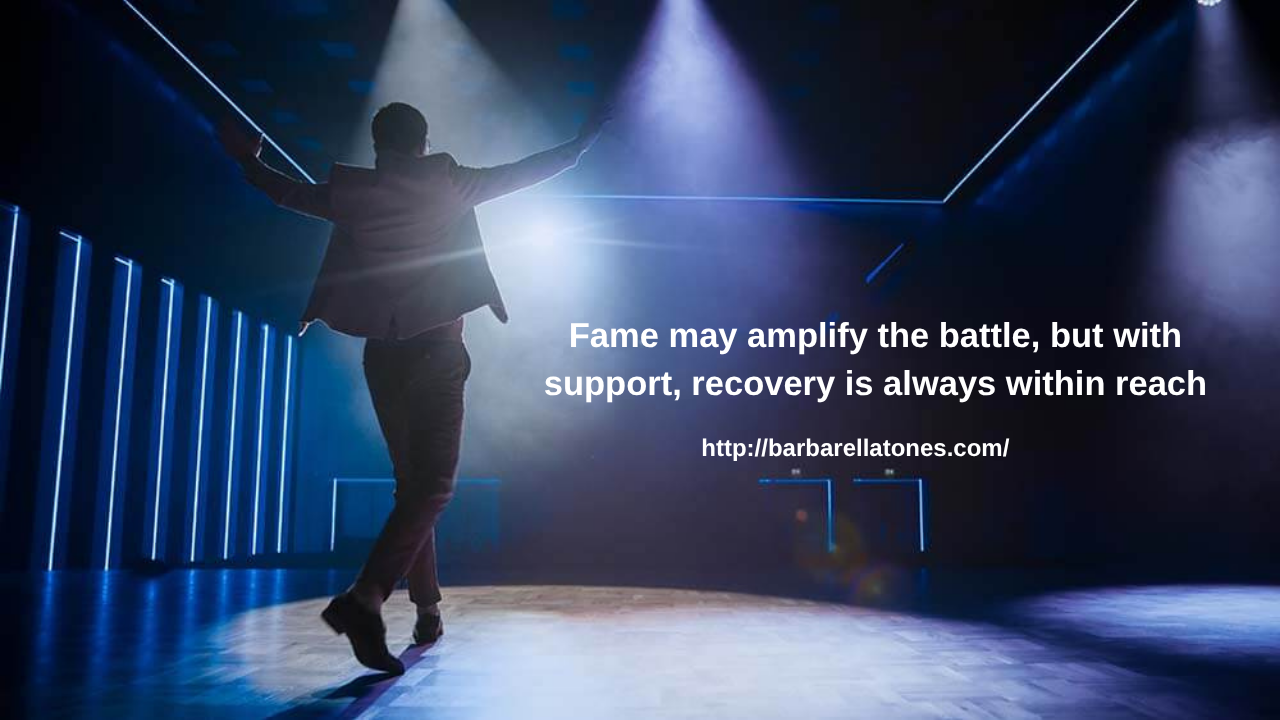
Behind the glittering stage lights and sold-out arenas, many music icons face a different, more personal battle—addiction. While fans celebrate their talent and success, these artists often struggle in silence, torn between their public image and private pain. The spotlight that brings fame can also magnify stress, trauma, and loneliness, creating fertile ground for substance abuse.
The Pressure to Perform
For music celebrities, the pressure to maintain perfection is relentless. They are expected to produce hit after hit, perform at their best, and remain accessible to fans—all while maintaining an image of confidence and control. The lifestyle is fast-paced and emotionally taxing, leaving little room for vulnerability or self-care.
Addiction often begins as a coping mechanism. Substances become a way to dull the anxiety of constant scrutiny or to deal with exhaustion from back-to-back tours. Unfortunately, what starts as a form of relief can quickly spiral into dependency. And in the tightly controlled and image-conscious world of celebrity, many are afraid to seek help for fear of judgment or professional fallout.
Struggles Hidden in Plain Sight
Despite living in the public eye, many music stars manage to keep their struggles with addiction hidden for years. Amy Winehouse, for example, was often seen as a tragic figure even before her death, but the full extent of her addiction was not understood until it was too late. Her raw, emotionally charged music hinted at inner turmoil, yet her cries for help went largely unanswered by the industry.
Chester Bennington of Linkin Park was another artist who battled depression and addiction privately. His tragic death in 2017 revealed the deep, invisible wounds that fame could not heal. Like many others, he used music as an outlet, but the weight of his pain became too much.
The Role of Stigma
One of the biggest obstacles to recovery for music celebrities is stigma. Addiction is often viewed as a weakness, not a disease. For stars whose careers depend on image, admitting to a substance problem can feel like career suicide. This fear keeps many in silence, perpetuating a cycle of denial and deterioration.
The Path to Recovery
Some icons, however, manage to reclaim their lives. Elton John, Steven Tyler, and Eminem are examples of artists who confronted their addiction and emerged stronger. Their stories inspire others and prove that recovery is possible—even under the glare of fame.
Support from peers, access to professional treatment, and a shift in public perception are all crucial to helping music stars recover. The growing number of sober artists openly discussing their journeys is helping to reshape how addiction is viewed in the entertainment world.
Conclusion
Addiction in the spotlight is a harsh reality for many music celebrities. Behind the glamour are individuals dealing with immense pressure and personal demons. By acknowledging their struggles and encouraging open conversations, the industry and fans alike can foster a culture of compassion, understanding, and healing. Fame may amplify the battle, but with support, recovery is always within reach.