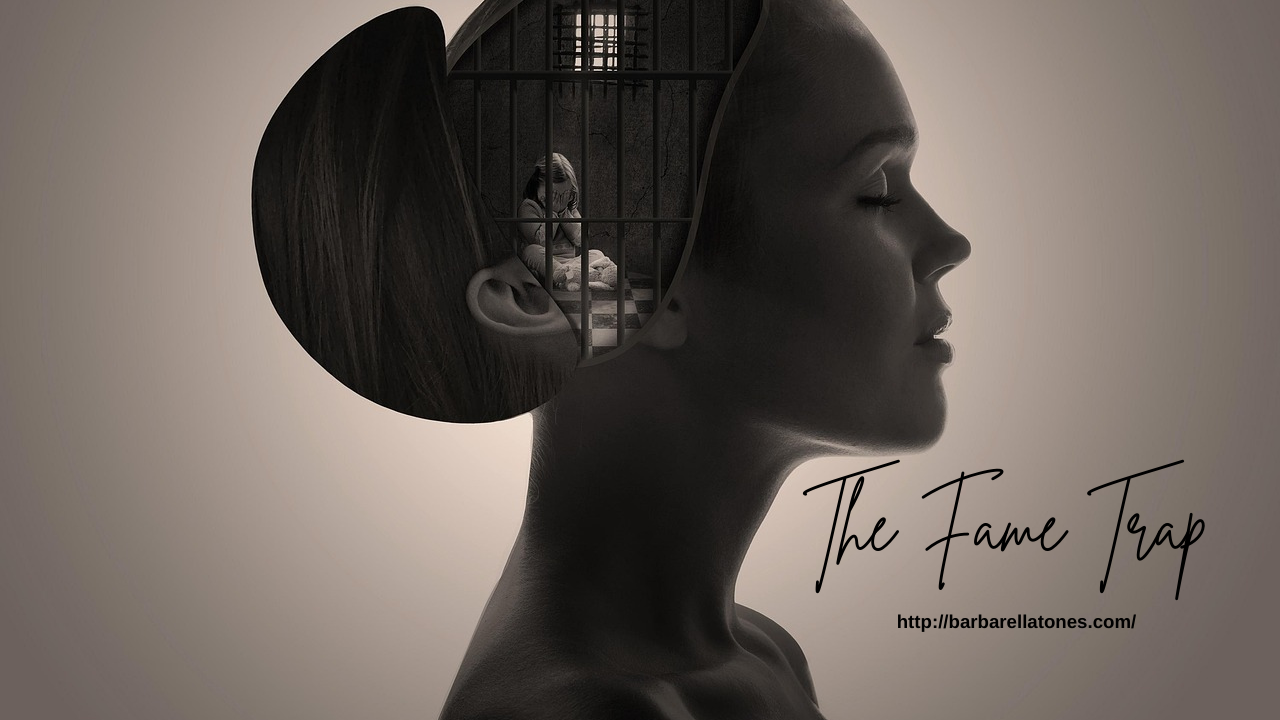
Fame often brings fortune, admiration, and influence, but it can also carry hidden costs. Many music legends struggle with addiction behind the scenes, battling pressures that the public rarely sees. The relentless demands of the music industry, combined with personal and emotional challenges, can make substance use a tempting escape. Understanding why fame can create such vulnerability is key to providing compassionate, effective recovery solutions.
The Pressures of Celebrity Life
For music stars, success comes with intense responsibility. Touring schedules are grueling, creative output is expected continuously, and the public eye magnifies every decision. This constant scrutiny can lead to anxiety, depression, and feelings of isolation. In such an environment, drugs and alcohol often appear to be convenient tools to cope, energize performances, or numb emotional pain.
The issue is not limited to the wealthy and famous. The pressures of staying relevant, maintaining image, and meeting industry expectations can overwhelm anyone in the spotlight. When substance use becomes a coping mechanism, it can quickly spiral into addiction.
Why the Music Industry Amplifies Addiction
The music industry itself creates a unique environment where addiction can thrive. Access to drugs and alcohol is widespread, and partying is often woven into the culture of tours, recording sessions, and social events. Long nights, irregular schedules, and high stress levels all increase vulnerability. Additionally, a culture that once glorified excess can make seeking help feel like admitting weakness, further delaying intervention.
The Emotional Toll
Behind the fame, many artists experience profound emotional challenges. Loneliness, family separation, and the weight of expectations can lead to mental health struggles that often coincide with substance abuse. Addiction may initially feel like relief, but it can quickly compound underlying issues, creating a cycle that is difficult to break without professional help.
Paths to Recovery
Recovery from addiction requires a holistic, personalized approach. At centers that combine evidence-based medical treatment with mental health support, artists can address both the physical and emotional aspects of addiction. Inpatient programs provide structured, safe environments for detoxification and therapy, while outpatient care offers ongoing support as clients reintegrate into daily life.
Holistic and Faith-Based Approaches
Holistic care addresses the whole person, incorporating mindfulness, exercise, nutrition, and creative therapies. Music and art therapy can be especially powerful for musicians, allowing them to express emotions constructively. Faith-based programs offer spiritual guidance for those who draw strength from their beliefs. Together, these approaches create a comprehensive path to lasting recovery.
Individualized Treatment Plans
No two journeys through addiction are the same. Personalized care plans ensure that treatment targets the unique triggers, history, and needs of each client. This approach fosters a sense of empowerment and engagement, which is critical for sustaining long-term sobriety.
Reclaiming Life Beyond Fame
Addiction in the music industry is a serious concern, but recovery is possible with the right support. Understanding the pressures that contribute to substance use is essential for compassion and effective treatment. For artists and fans alike, seeking help is a sign of strength, not weakness.
If you or someone you love is struggling with addiction, take the first step today. Compassionate, individualized care can help you reclaim balance, health, and joy. Recovery is not just about leaving substances behind—it is about rebuilding a life filled with purpose and resilience.