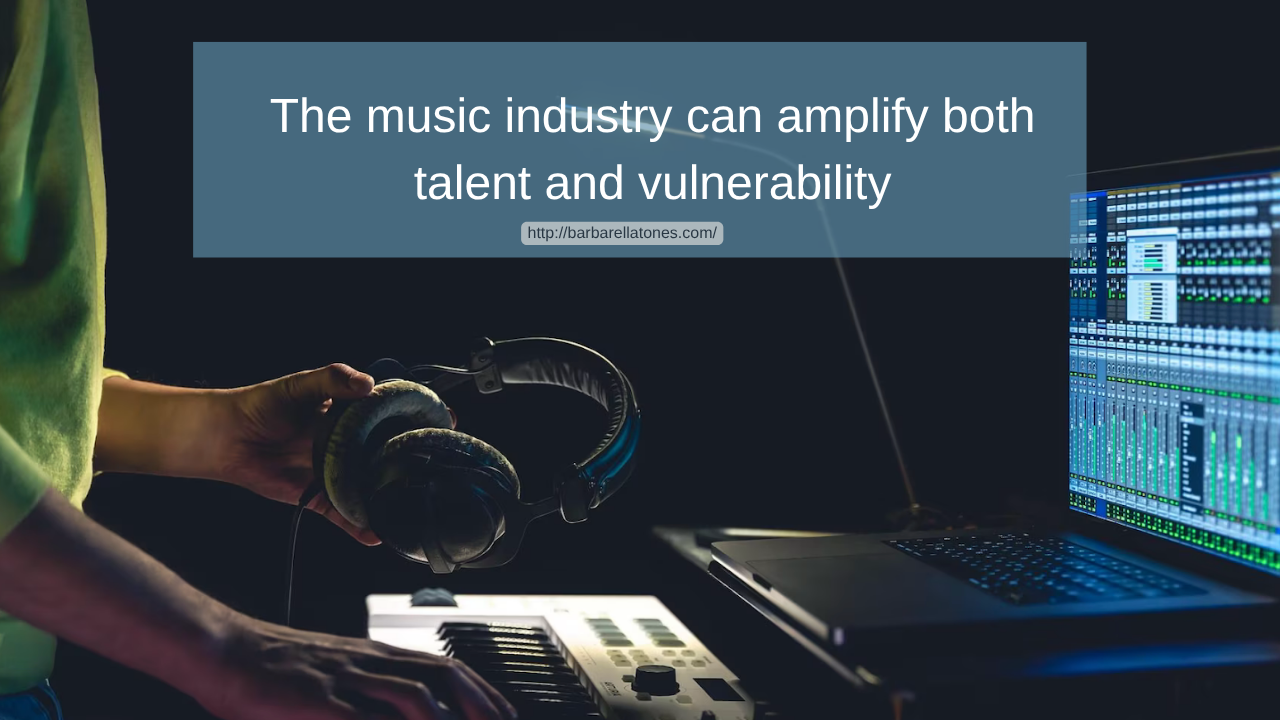
The music industry is often celebrated for its glamour, creativity, and influence, but behind the fame and applause lies a hidden struggle. Many artists face intense pressure, long tours, and public scrutiny, all of which can contribute to substance abuse. Addiction in the music world is not simply a matter of personal choice—it is a complex interplay of mental health, environmental factors, and industry culture. Understanding these dynamics is essential for supporting recovery and promoting long-term wellness.
The Hidden Pressures of Stardom
Life as a music star may seem exciting, but the reality is often far more challenging. Musicians juggle demanding schedules, high expectations, and constant public attention. The pressure to maintain peak performance can lead to emotional exhaustion, anxiety, and depression. For some, drugs or alcohol provide temporary relief, masking the stress of fame. What begins as a coping mechanism can quickly escalate into dependency, affecting both personal well-being and professional success.
Mental Health and Addiction
Addiction rarely exists in isolation. Many artists who struggle with substance abuse also face mental health challenges such as anxiety, depression, or trauma. These conditions are often exacerbated by the demands of touring, recording, and public life. Effective treatment must address both mental health and addiction simultaneously. Holistic programs that integrate therapy, counseling, and support networks offer the best chance for sustainable recovery.
How the Music Industry Environment Contributes to Addiction
The structure and culture of the music industry can unintentionally foster addiction. Long hours on tour expose artists to environments where substances are readily available. After-show events and social gatherings often normalize heavy drinking or drug use. Furthermore, the industry historically glorifies risk-taking, which can make seeking help feel like a sign of weakness. Combined with the emotional vulnerability that many creative individuals experience, this environment increases the likelihood of addiction.
Coping Mechanisms and Creative Pressure
Many musicians turn to substances to cope with creative pressure. The expectation to constantly produce hits can be overwhelming, and perfectionism can intensify stress. Substance use may temporarily spark inspiration or provide relief from self-doubt, but it often perpetuates a harmful cycle. Recognizing unhealthy coping strategies early is crucial for preventing long-term consequences.
Paths to Recovery
Recovery is possible when individuals receive compassionate, professional care. Treatment must address the whole person—mind, body, and spirit. Inpatient programs provide a structured environment where artists can focus fully on healing, while outpatient programs offer flexibility for those transitioning back into daily life. Holistic approaches, including mindfulness, nutrition, exercise, and creative therapy, help rebuild balance and resilience. Faith-based support can also provide spiritual guidance and a sense of purpose, which is particularly meaningful for many recovering artists.
Personalized Care for Lasting Change
No two recovery journeys are the same. Personalized care plans allow treatment to address unique triggers, mental health needs, and life circumstances. This individualized approach empowers artists to regain control over their lives and achieve long-term sobriety while nurturing their creativity and emotional well-being.
Hope Beyond the Spotlight
The music industry can amplify both talent and vulnerability. Addiction is a serious challenge for many artists, but it does not have to be a permanent outcome. With professional, holistic, and individualized care, recovery is possible. Musicians and individuals struggling with addiction can reclaim their health, creativity, and purpose.
If you or someone you love is facing substance abuse, reaching out for help is the first step toward lasting change. Compassionate support and evidence-based treatment are available to guide you toward a healthier, more balanced life beyond the spotlight.